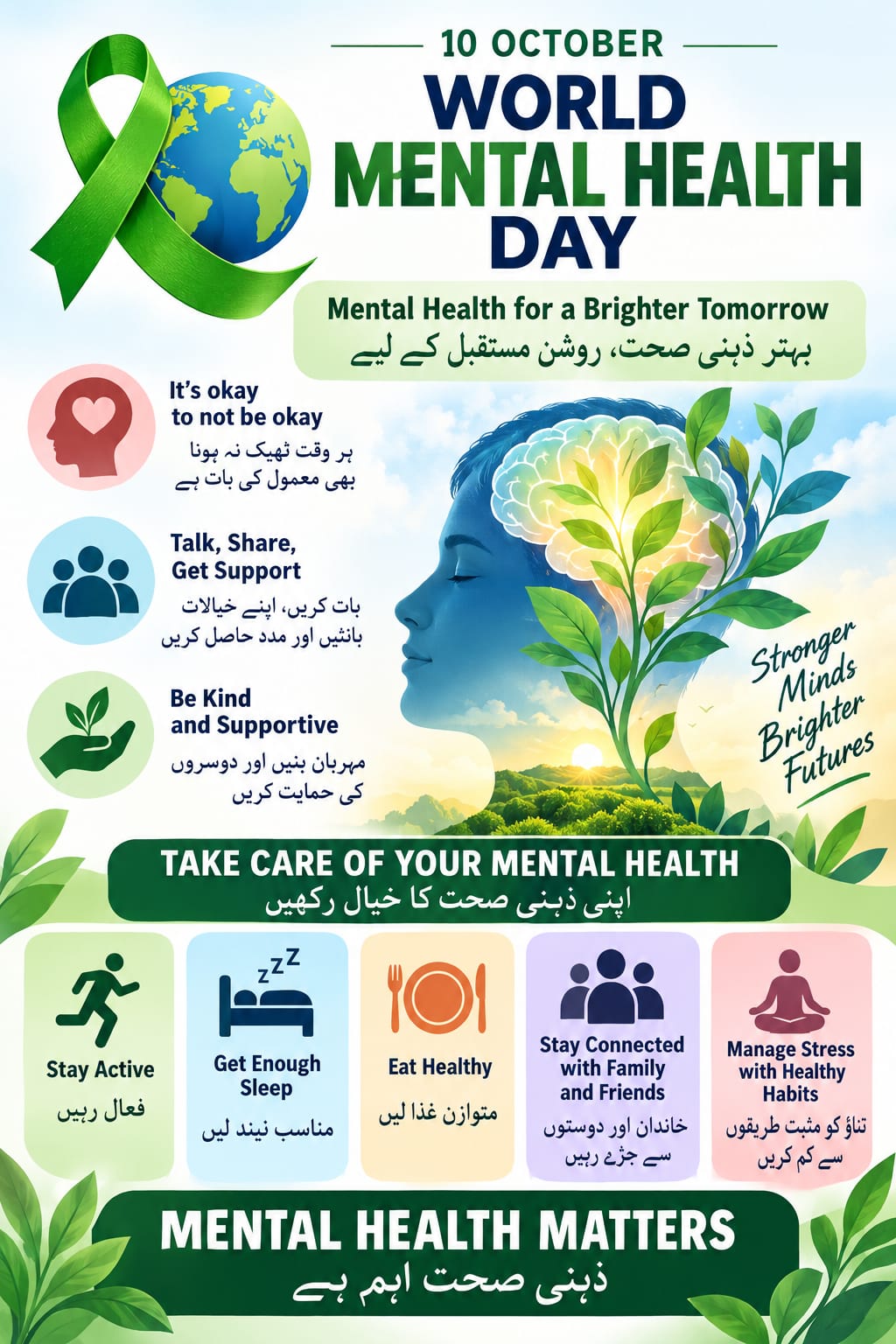
Stronger Minds, Brighter Futures: Prioritizing Mental Well-Being
Mental health is an integral determinant of overall well-being, directly influencing cognitive function, immune resilience, and quality of life. Observed globally every year on 10 October, World Mental Health Day serves as an essential reminder that our psychological and emotional wellness requires the same proactive, structured attention as our physical health.
Key Principles for Emotional Resilience
- It’s Okay to Not Be Okay: Emotional distress, burnout, and acute anxiety are natural responses to prolonged stressors. Acknowledging personal limits without self-criticism is the baseline of recovery [1].
- Talk, Share, and Get Support: Internalizing emotional strain worsens psychological distress. Confiding in trusted family members or consulting a qualified clinical professional substantially lowers morbidity [2].
- Be Kind and Supportive: Empathy in households, communities, and workplaces dismantles social stigma, creating safe spaces for individuals to seek timely clinical assistance [2].
5 Daily Practices to Protect Your Mental Health
- Stay Active: Regular aerobic exercise prompts neurogenesis and triggers endorphin release, providing clear therapeutic relief against depression and generalized anxiety symptoms [3].
- Get Enough Sleep: Restorative, uninterrupted sleep (7–9 hours nightly for adults) is vital for neural toxin clearance, emotional regulation, and cognitive processing [4].
- Eat Healthy: Nutritional balance directly modulates the gut-brain axis, stabilizing neurotransmitter synthesis and energy levels [5].
- Stay Connected with Family and Friends: Consistent social bonding acts as a critical buffer against depressive episodes and cognitive decline [2].
- Manage Stress with Healthy Habits: Structured downtime—including diaphragmatic breathing, mindfulness, prayer, and regular leisure breaks—counteracts autonomic nervous system overload [1].
"Seeking support for mental health is a proactive measure of wisdom and strength. Timely medical and psychotherapeutic intervention helps restore baseline functionality and safeguards long-term health."
— Dr. Ghulam Shabbir Malik
References & Clinical Guidelines
- World Health Organization (WHO). Mental health: Strengthening our response. WHO Fact Sheets. Available at: who.int
- World Federation for Mental Health (WFMH). World Mental Health Day Global Campaigns & Guidelines. Available at: wfmh.global
- World Health Organization (WHO). WHO Guidelines on Physical Activity and Sedentary Behaviour. Geneva: World Health Organization.
- Consensus Conference Panel (American Academy of Sleep Medicine & Sleep Research Society). Recommended Amount of Sleep for a Healthy Adult. Journal of Clinical Sleep Medicine.
- Marx, W., et al. Nutritional psychiatry: the present state of the evidence. The Lancet Psychiatry.